Why Homeowners Need Professional Gutter Cleaning in Hackettstown
@zanderenne334
Gutters do a quiet, unglamorous job, which is probably why they are so often ignored until something goes wrong. Most homeowners do not spend much time thinking about roof drainage on a clear Saturday morning. They start paying attention when water pours over the edge during a storm, when mulch washes out of the flower beds, or when a damp line appears in the basement after heavy rain. By then, the problem has usually been building for months.
In Hackettstown, gutter maintenance deserves more respect than it gets. Homes here deal with a full four-season cycle, falling leaves in autumn, winter freeze and thaw, spring downpours, and summer storms that can dump a lot of water in a short stretch of time. Each season adds stress to a gutter system. Small clogs become packed blockages. A loose fastener turns into a sagging run. A downspout that drains poorly starts directing water toward the foundation instead of away from it.
That is why professional gutter cleaning is not a cosmetic service or an optional add-on. It is preventive maintenance for the parts of your home that cost real money to repair. When homeowners put it off too long, the bill often shows up somewhere else, siding, fascia, foundation work, roof edge rot, interior leaks, or landscape erosion. Seen from that angle, hiring a professional for Gutter Cleaning Hackettstown is less about cleaning leaves and more about protecting the entire building envelope.
Gutters fail slowly, then all at once
One of the hardest parts about gutter problems is that they rarely announce themselves early. A gutter can be half full of decomposing leaves and roof grit while still appearing fine from the driveway. Water may still move through part of the system, just not efficiently. During a light rain, everything looks normal. During a steady storm, it starts spilling over the front edge. In a hard downpour, every weakness shows up at once.
I have seen homeowners assume that one overflowing corner means a small local blockage. Sometimes that is true. Just as often, the issue runs much farther along the line. Debris tends to build in layers. Dry leaves collect first, then twigs, then shingle granules, then the damp sludge that forms when organic matter breaks down. Once that heavy, wet mat settles into the trough, the gutter stops behaving like a drainage channel and starts behaving like a planter box.
That extra weight matters. A standard run of gutter is designed to carry water, not a soggy mix of mud and packed debris. The hangers loosen. The pitch changes. Seams begin to strain. At that point, even after the material is removed, the system may need adjustment or repair to drain properly again. Professional cleaning catches these issues before they become structural.
Hackettstown weather makes routine cleaning more important
A home in a dry climate can sometimes go longer between cleanings. Hackettstown is not that kind of place. The local pattern of rain, seasonal leaf drop, and winter weather creates the exact conditions that turn neglected gutters into a recurring headache.
In late fall, gutters often fill quickly, especially on homes with mature trees nearby. It does not take a forest canopy directly over the roof. Wind carries leaves farther than most people expect, and valleys in the roof tend to funnel debris into the same trouble spots repeatedly. Then winter arrives. Water trapped in clogged sections freezes, expands, and puts pressure on seams and brackets. Ice can back up under the lower edge of roofing materials, which increases the chance of water infiltration along the eaves.
Spring is the season when many hidden gutter problems become obvious. Once the thaw ends and rain picks up, homeowners notice overflow, pooling near the foundation, or dark staining on siding. Summer brings its own test. A quick thunderstorm can overwhelm a partially blocked gutter system in minutes. By then, what seemed like a minor maintenance delay has become a drainage failure.
This seasonal cycle is one reason professionals often recommend service on a schedule rather than only in response to visible overflow. Homes surrounded by heavy tree cover may need attention more than once a year. More open properties may get by with less frequent service, but they still need inspection and clearing at the right times.
The damage rarely stays in the gutter
When water cannot move through gutters and downspouts the way it should, it looks for another route. That alternate route is usually expensive.
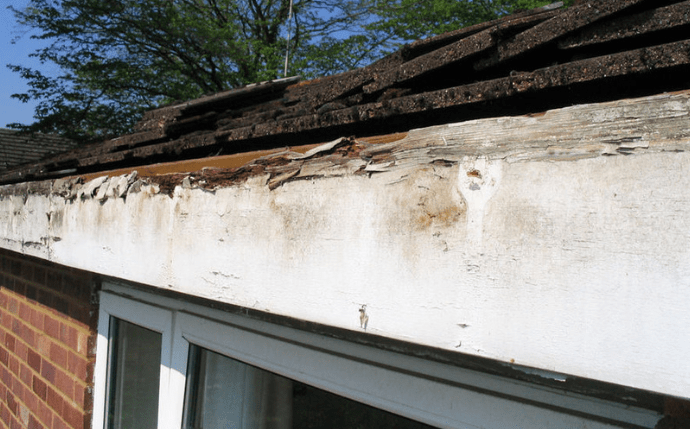
The first place damage shows up is often the Hackettstown gutter service roof edge and fascia. Overflowing water saturates the boards behind the gutter. Paint fails. Wood softens. Once rot starts, repairs stop being simple. On some homes, the soffit vents also become affected, especially if water repeatedly splashes or backs up under the eaves.
Next comes the siding and trim. You may see vertical streaking, algae growth, or peeling paint below a problem area. None of that happens because of one storm. It is repeated exposure. Water follows the same paths over and over, and the materials below pay the price.
Then there is the ground level impact. Gutters are designed to move roof runoff away from the house because concentrated water near the foundation creates trouble. Soil erodes. Garden beds wash out. Settling or moisture problems can follow, particularly where grading is already marginal. If the basement has ever had a musty smell or occasional seepage after storms, poor roof drainage deserves a close look. It is not always the only cause, but it is often part of the story.
Even hardscapes can suffer. I have seen walkways stained by chronic overflow and patios where splashback kept one area damp for so long that moss took hold. These are not dramatic disasters, but they are signals. The house is telling you that water is not being managed correctly.
Why professional cleaning beats the weekend ladder approach
Many homeowners are capable, handy people. They paint rooms, install shelves, fix screens, and tackle all kinds of practical jobs around the property. Gutter cleaning seems like it should fall into that category. Sometimes it does. More often, the risk and complexity are underestimated.
The obvious concern is ladder safety. Most accidents do not happen because someone is reckless. They happen because the ground is uneven, the ladder angle is slightly off, the work requires overreaching, or the person is trying to manage a bucket, gloves, debris, and balance at the same time. Add wet leaves, wind, or second-story height, and a routine chore becomes less routine.
The less obvious issue is that cleaning gutters correctly involves more than scooping out visible debris. A professional checks flow through the downspouts, verifies pitch, watches for loose joints, inspects fasteners, and pays attention to how the system is performing as a whole. There is a difference between removing leaves and restoring drainage.
Here is what trained crews typically bring to the job that homeowners often do not:
- Safe ladder handling and work practices for different rooflines and heights
- Tools to clear compacted debris and flush downspouts thoroughly
- The experience to spot sagging sections, separated joints, and early wood rot
- A system for removing and disposing of debris without making a mess of the property
- A practical eye for whether cleaning alone will solve the problem, or whether repairs are needed
That last point matters. Some gutter systems are not just dirty. They are misaligned, undersized for a roof section, poorly drained at the bottom, or already pulling away from the fascia. A homeowner may clean them and still wonder why the overflow returns at the next heavy rain. A professional is more likely to catch the underlying cause.
Clogs are only part of the problem
People tend to imagine a gutter issue as a simple blockage, a leaf dam that needs to be removed. In practice, service calls often reveal a combination of problems. A downspout elbow may be packed with granules and twigs. The gutter itself may have standing water because the pitch is off. The splash block at ground level may be missing or displaced, so even a clear downspout is discharging too close to the foundation.
I have also seen cases where homeowners blamed the gutters, but the real culprit was hidden higher up. Roof valleys can dump a concentrated volume of water into one short section of gutter. If that area is undersized, or if debris routinely accumulates there, overflow can happen even when the rest of the system is reasonably clean. Similarly, a home with multiple roof levels can create tricky drainage patterns that need more than casual attention.
Professional service tends to catch these edge cases because the crew is not just looking at whether leaves are present. They are reading water behavior. They know where trouble usually starts, at inside corners, behind chimneys, below valleys, near screened enclosures, under tree-heavy rooflines, and at the first elbow of the downspout. Experience counts in those details.
Timing matters more than many homeowners realize
A common question is how often gutters should be cleaned. There is no honest one-size-fits-all answer. The right schedule depends on tree cover, roof design, previous clog history, and how much storm exposure the property gets. Still, timing is usually more important than frequency alone.
If you clean too early in the fall, late leaf drop can refill the system before winter. If you wait too long, freeze conditions can trap debris in place and make the work harder and riskier. Spring service is equally important because winter often exposes weaknesses that were not visible earlier.
For many Hackettstown homes, a practical pattern looks like this:
- One cleaning after the main fall leaf drop
- One inspection or cleaning in spring, especially before the wettest stretch
- Additional service if the property has dense tree coverage or recurring drainage trouble
That is a simple framework, not a rigid rule. Some homes near mature oaks, maples, or pines need closer attention. Pine needles, in particular, are easy to underestimate because they slip through and accumulate densely in gutters and downspout openings. A house with minimal overhanging trees may not need service as often, but it should still be checked. Wind-blown debris, roof grit, and nesting material can create obstructions even on relatively open lots.
Professional cleaning protects roof warranties and resale value
Homeowners usually think about gutter cleaning as a maintenance item, but it also affects the larger financial picture of the property. Deferred drainage issues can complicate roof longevity and may contribute to conditions that void or weaken warranty claims if neglect is obvious. While warranty terms vary and should always be read directly, it is never a good idea to let standing water and backed-up debris sit against roofing components season after season.
There is also the matter of resale. Buyers notice water damage, even when they cannot immediately identify the cause. Soft fascia, stained siding, erosion near the foundation, and mildew at the base of exterior walls all raise questions. A clean, functioning gutter system is one of those invisible positives that makes a house feel cared for. An obviously neglected one suggests that other maintenance may have been neglected too.
Real estate transactions often bring this issue to the surface. Sellers rush to fix drainage-related cosmetic problems right before listing, but some signs of long-term overflow cannot be hidden easily. It is far less expensive to keep the gutters maintained than to correct the chain of damage after the fact.
The true cost is not the cleaning, it is the delay
There is a tendency to compare the price of professional gutter cleaning with the idea of doing nothing for a while longer. That is the wrong comparison. The real comparison is between routine service and the downstream repairs caused by poor drainage.
A clogged gutter can lead to fascia repairs, soffit work, siding cleaning or repainting, regrading, basement moisture mitigation, landscape replacement, and in severe cases, roofing edge repairs. None of those items are minor once labor and materials are involved. Even if only one of them becomes necessary, it can exceed the cost of years of regular service.
This is especially true for homeowners who have already noticed warning signs and are hoping they go away. Overflow during rain, plants growing in the gutter, visible sagging, detached downspouts, or water pooling near the foundation are not signs to wait. They are signs the system is already underperforming.
What a good service visit should include
Not all gutter cleaning appointments are equal. A proper job is methodical. Debris should be removed, not simply pushed around. Downspouts should be tested for flow. Problem areas should be pointed out clearly. If minor adjustments are possible on site, they should be discussed honestly. If the gutter system needs repair beyond cleaning, the homeowner should hear that directly, without scare tactics or vague language.
A good contractor also understands cleanup. One reason many homeowners prefer professional Gutter Cleaning Hackettstown services is that they do not want soggy debris dumped into their shrubs or left scattered across the walkway. Clean work matters. So does communication. Homeowners should come away understanding what was found, what was corrected, and whether any sections deserve monitoring before the next visit.
There is value in local familiarity too. Contractors who work regularly in the area tend to understand the patterns that affect homes here, seasonal debris loads, storm behavior, older home layouts, and the drainage quirks that come with certain roof designs. That local experience often shows up in better judgment, not just faster labor.
Some homes need more than cleaning, and a professional will say so
One of the most useful parts of hiring a professional is getting an honest read on whether cleaning is enough. Sometimes it is. Other times, the gutter system has design or age-related problems that no amount of debris removal will fix.
Older homes may have sections that have lost pitch over time. Fasteners loosen, fascia boards soften, and long runs begin to belly in the middle. On additions or remodels, the drainage layout may not match the roof load well. A short section receiving heavy runoff from a steep roof plane may need a larger downspout or a different outlet location. Extensions at the bottom may need to move water farther away from the house. In some cases, guards may help. In others, they create maintenance challenges of their own, especially if installed without regard to the type of debris common on the property.
This is where professional judgment matters. There is no universal product or single upgrade that solves every gutter problem. Homes differ. Tree cover differs. Rooflines differ. The best recommendations come from looking at the whole drainage path, from shingles to soil.
Why this maintenance pays for itself in peace of mind
There is a practical comfort in knowing the next heavy rain is not going to reveal another preventable problem. That peace of mind is part of the value homeowners are paying for. A professionally cleaned and inspected gutter system is one less uncertainty hanging over the property during storm season.
It also reduces the mental clutter that comes with deferred maintenance. Small exterior issues have a way of lingering in the back of a homeowner’s mind. You notice the stain, the drip, the washout by the flower bed, and keep meaning to deal with it later. Professional service turns an easily postponed chore into a scheduled, documented part of caring for the house.
For Hackettstown homeowners, that matters. The climate does not forgive neglected drainage for long. Water always wins if it is not directed properly. Gutters are one of the simplest systems in a house, but when they are ignored, the consequences spread far beyond the roofline.
Professional gutter cleaning is not about convenience alone. It is about safety, early detection, property protection, and avoiding the expensive chain reaction that starts when rainwater goes where it should not. For a home in Hackettstown, that makes regular service a smart, grounded decision, not a luxury.
Just Gutters LLC
Address: 262 Main St, Hackettstown, NJ 07840
Phone number: +12013319454
FAQ About Gutter Cleaning Hackettstown
How much should a gutter clean cost?
Professional gutter cleaning typically costs between $163 and $333, with a national average of around $210 to $250 for a standard-sized home.
What months should you clean gutters?
You should clean your gutters twice a year—once in late autumn (November to December) and once in late spring (April to May).
Is it worth paying for gutter cleaning?
Yes, paying for gutter cleaning is worth it because it prevents thousands of dollars in water damage, roof leaks, and structural repairs.